

Rental Yield Secrets to Maximize Your Property Profit
Introduction
One powerful number can reveal how profitable your property truly is. For smart investors, that number is rental yield. It’s one of the simplest ways to measure whether a property is generating strong returns or quietly reducing your profits. Yet many investors overlook its importance or misunderstand how it works. Understanding rental yield can make a big difference when choosing the right investment property. In this blog, we’ll explore the key secrets behind rental yield, explain how it works, and share practical strategies that can help you maximize your property profit and make more confident investment decisions.
What Is Rental Yield and Why Does It Matter for Property Investors
When investing in real estate, one metric quickly shows whether a property is truly profitable, rental yield. It helps investors understand how much income a property generates compared to its value. Instead of guessing if a property will perform well, rental yield gives a clear percentage that shows the potential return.
For beginners and experienced investors alike, understanding rental yield is essential. It allows you to compare different properties, estimate potential income, and make smarter investment decisions. Before exploring strategies to increase returns, it’s important to understand how rental yield works and why it matters.
Gross vs Net Rental Yield
Not all rental yields are calculated the same way. Investors usually consider two types: gross rental yield and net rental yield.
Gross Rental Yield
Gross rental yield is the simplest way to measure returns. It focuses only on the rental income compared to the property’s price.
Key characteristics include:
- Easy to calculate
- Useful for quick property comparisons
- Does not include expenses
While gross yield gives a general idea of profitability, it doesn’t show the full financial picture.
Net Rental Yield
Net rental yield provides a more realistic measure because it includes property-related expenses.
These expenses may include:
- Maintenance and repairs
- Property management fees
- Insurance and taxes
- Vacancy periods
Since net rental yield reflects actual profit after costs, it gives investors a better understanding of the property’s true performance.
Why Rental Yield Is Crucial for Long-Term Property Profit
A property may look attractive at first glance, but without a strong rental yield, it may not generate reliable income. This is why experienced investors always check the yield before purchasing a property.
Here are some key reasons rental yield matters.
Helps Measure Investment Performance
Rental yield shows how efficiently a property generates income. Higher yield usually means better cash flow and stronger investment potential.
Makes Property Comparison Easier
When investors look at multiple properties, rental yield allows them to compare options quickly. A property with a lower purchase price but strong rent can sometimes outperform a more expensive property.
Supports Stable Cash Flow
A good rental yield ensures that rental income covers expenses such as loan repayments, maintenance, and taxes. This creates consistent cash flow and reduces financial stress.
Reduces Investment Risk
Properties with solid rental yield tend to perform better during market changes. Even if property values fluctuate, consistent rental income helps maintain profitability.
Steps to Calculate Rental Yield
Understanding how to calculate rental yield is simple and extremely useful for property investors.
The basic formula is:
- Rental Yield Percentage = (Annual Rental Income divided by Property Value) × 100
- Let’s look at a simple example.
- Property price: $300,000
- Monthly rent: $1,500
- Annual rent: $18,000
Calculation:
- $18,000 ÷ $300,000 × 100 = 6% rental yield
- This means the property generates a 6 percent return annually from rental income before expenses.
When calculating net rental yield, you simply subtract yearly costs before applying the formula. This gives a clearer picture of the real profit generated by the property.
Understanding Commercial Property Rental Yield
Many investors also explore commercial property rental yield because it can sometimes offer higher returns compared to residential properties.
Commercial properties include:
- Office spaces
- Retail shops
- Warehouses
- Industrial buildings
Several factors make commercial property rental yield attractive.
Longer Lease Agreements
Commercial tenants often sign longer leases, sometimes lasting several years. This creates a more stable and predictable income.
Higher Rental Rates
Commercial spaces often command higher rents compared to residential properties, which can lead to stronger returns.
Lower Tenant Turnover
Businesses tend to stay longer in a location once established, reducing vacancy risks.
However, commercial investments also come with considerations such as higher initial costs and potential vacancies during economic downturns. Investors should carefully analyze both risks and rewards before entering this segment.
Why Every Investor Should Understand Rental Yield
In property investment, numbers matter. Rental yield acts as a simple but powerful tool that helps investors evaluate opportunities with confidence.
By learning how to calculate rental yield, investors can quickly identify profitable properties and avoid poor investments. At the same time, understanding trends such as commercial property rental yield opens the door to new opportunities and higher potential returns.
Ultimately, successful property investors rely on rental yield as a guiding metric to build consistent income, reduce risks, and maximize long-term property profit.

How to Calculate Rental Yield Accurately
Understanding rental yield is essential for anyone investing in property. It helps you measure how much income your property generates compared to its value. When you know how to calculate rental yield accurately, you can compare different investment opportunities and make smarter decisions.
Many investors focus only on property appreciation, but rental income plays a huge role in long-term profitability. By learning how to calculate rental yield, you gain a clearer picture of whether a property will deliver strong and consistent returns.
Basic Rental Yield Formula
The simplest way to measure rental yield is by using a basic formula. This calculation shows the percentage return you earn from rental income each year.
Here is the standard formula:
- Rental Yield (%) = (Annual Rental Income / Property Value) × 100
For example:
- Property value: $300,000
- Monthly rent: $1,500
- Annual rental income: $18,000
Calculation:
- $18,000 ÷ $300,000 = 0.06
- 0.06 × 100 = 6% rental yield
This means the property produces a 6% rental yield annually based on the income it generates.
Learning how to calculate rental yield with this formula gives investors a quick and easy way to evaluate potential properties before purchasing.
Example of Rental Yield Calculation
Let’s look at another practical example to make the calculation clearer.
Imagine you purchase a property for $250,000 and rent it out for $1,200 per month.
Step-by-step calculation:
- Calculate annual rental income.
- $1,200 × 12 = $14,400
- Divide annual income by property value.
- $14,400 ÷ $250,000 = 0.0576
- Convert to a percentage
- 0.0576 × 100 = 5.76% rental yield
This result shows that your investment generates a 5.76% annual return from rental income alone.
Many investors also compare residential properties with commercial property rental yield, which is often higher due to longer leases and higher rental payments. Understanding these differences helps investors choose the right property type for their financial goals.
Factors That Affect Rental Yield Calculations
While the formula looks simple, several factors can influence your actual rental yield. Ignoring these factors may lead to unrealistic expectations about your investment returns.
Here are some key elements that affect yield calculations:
- Property purchase price: Higher property prices can lower the rental yield if rent does not increase proportionally.
- Rental income levels: Market demand, location, and property features influence how much rent you can charge.
- Vacancy periods: Empty months reduce annual income and lower your yield.
- Maintenance and operating costs: Repairs, insurance, and property management fees impact your real profit.
- Market conditions: Changes in the real estate market can affect both rental demand and property value.
For example, commercial property rental yield may appear higher than residential yields, but investors should also consider costs like property maintenance, taxes, and potential vacancy periods.
Gross vs Net Rental Yield
When learning how to calculate rental yield, it is important to understand the difference between gross yield and net yield.
Gross Rental Yield
Gross yield uses the basic formula and only considers rental income and property value.
Formula:
- Annual rent ÷ Property value × 100
- It provides a quick estimate but does not include expenses.
Net Rental Yield
Net yield gives a more accurate picture of profitability because it includes costs.
Common expenses include:
- Property taxes
- Maintenance and repairs
- Insurance
- Property management fees
- Vacancy losses
For investors comparing properties, net rental yield is usually the better indicator of true profitability.
In some cases, commercial property rental yield can still outperform residential investments even after expenses, especially when long-term tenants are involved.
Why Accurate Rental Yield Calculation Matters
Accurately calculating rental yield helps investors avoid costly mistakes. It allows you to evaluate whether a property will generate reliable income and meet your financial goals.
Benefits of accurate yield calculations include:
- Comparing multiple investment properties easily
- Identifying high-performing rental markets
- Understanding long-term cash flow potential
- Making smarter property investment decisions
When you understand how to calculate rental yield, you gain valuable insight into the financial performance of your property investments. Whether you are investing in residential properties or exploring commercial property rental yield, accurate calculations can help you maximize profits and build a stronger property portfolio.

Rental Yield Secrets That Smart Investors Use
Successful property investors don’t rely on luck. They focus on strategies that help them achieve strong and consistent rental yield. While property prices and market trends matter, the real secret lies in how you manage and optimize your investment.
Smart investors understand how to calculate rental yield before buying a property and then apply proven techniques to increase rental income over time. Whether you’re investing in residential property or exploring commercial property rental yield, the right strategies can significantly improve your returns.
Below are some powerful rental yield secrets that experienced investors use to maximize property profit.
Choose High Demand Locations
A property’s location is a major determinant of its rental yield. A property in a desirable area is more likely to attract tenants quickly and maintain steady rental income.
Smart investors look for locations that offer:
- Strong employment opportunities
- Good public transportation
- Schools, hospitals, and shopping areas nearby
- Growing infrastructure and development
Properties located near universities, business districts, or transportation hubs often produce higher rental income. These locations typically experience lower vacancy rates, which helps maintain a stable rental yield.
For investors interested in commercial property rental yield, business-friendly areas with high foot traffic can significantly increase tenant demand and rental value.
Set Competitive Rental Pricing
Pricing your property correctly is crucial for maintaining a strong rental yield. Overpricing the rent may lead to difficulty in securing tenants.
Smart investors research the local market before setting rental prices.
Important steps include:
- Compare similar rental properties in the area.
- Evaluate local demand and supply.
- Adjust pricing based on property features and amenities.
Understanding how to calculate rental yield helps investors determine whether the rental price supports their financial goals. By keeping rental rates competitive, investors can reduce vacancy periods and maintain consistent cash flow.
In commercial spaces, pricing is even more important because commercial property rental yield depends heavily on long-term lease agreements and tenant stability.
Reduce Property Operating Costs
Another secret to improving rental yield is controlling expenses. Even small cost reductions can significantly increase overall profitability.
Smart investors keep operating costs manageable by:
- Scheduling regular property maintenance
- Choosing durable building materials
- Installing energy-efficient appliances
- Managing repairs early to avoid major expenses
Lower expenses mean a higher net rental yield. When investors know how to calculate rental yield, they can clearly see how operating costs affect their real profit.
This strategy also applies to commercial investments. Maintaining properties efficiently helps protect commercial property rental yield while keeping tenants satisfied.
Add Value Through Renovations
Upgrading a property is a powerful way to increase rental yield. Small improvements can make a property more attractive and allow landlords to charge higher rent.
Smart investors focus on cost-effective upgrades such as:
- Modern kitchen or bathroom updates
- Fresh paint and improved lighting
- Better flooring or fixtures
- Energy-efficient improvements
These changes increase the property’s appeal and help attract higher-quality tenants. When rental income increases while property value remains stable, rental yield improves.
Investors who understand how to calculate rental yield can estimate whether renovation costs will generate profitable returns.
For commercial properties, upgrades like improved layouts, modern facilities, or better accessibility can enhance commercial property rental yield by attracting long-term business tenants.
Maintain High Tenant Retention
Keeping reliable tenants is another key secret used by experienced investors. Frequent tenant turnover can reduce rental yield due to vacancy periods and additional marketing costs.
Smart investors focus on building positive relationships with tenants.
Effective strategies include:
- Responding quickly to maintenance requests
- Offering fair rental agreements
- Maintaining a clean and safe property
- Providing clear communication
Happy tenants are more likely to renew leases, which ensures steady rental income and stable rental yield.
This approach is especially valuable for commercial property rental yield, where long-term leases provide predictable income and reduce vacancy risks.
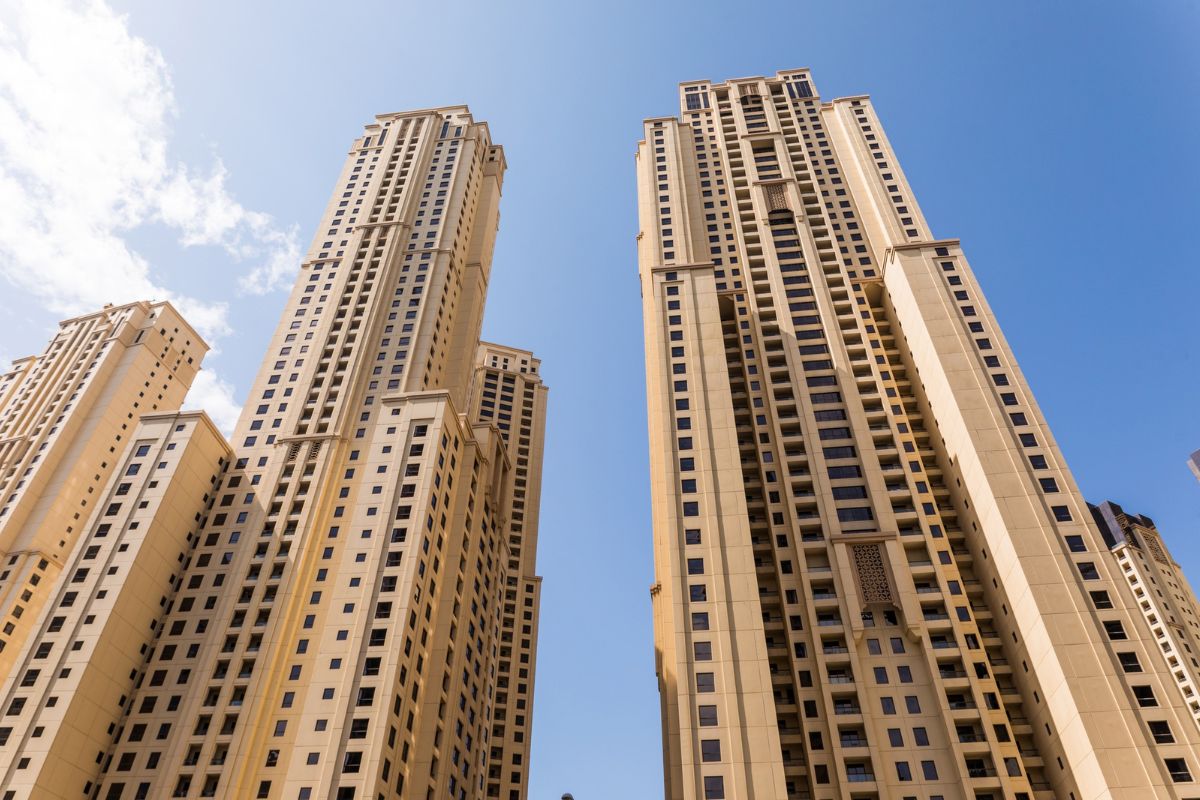
Understanding Commercial Property Rental Yield
Many investors start with residential properties, but experienced investors often explore commercial real estate to achieve stronger returns. One key metric that helps evaluate these investments is rental yield. When used correctly, it can reveal whether a property is generating healthy income or not.
Commercial property rental yield refers to the return investors earn from renting out commercial spaces such as offices, retail shops, warehouses, or business centers. In many cases, commercial properties can offer higher yields than residential ones, making them attractive for investors looking to maximize profits.
Before investing, it is important to understand how to calculate rental yield and how commercial investments differ from residential properties.
Benefits of Commercial Property Rental Yield
One reason many investors are drawn to commercial real estate is the potential for higher income. Commercial property rental yield can often outperform residential property returns when the investment is managed properly.
Here are some key benefits.
Higher rental income
Commercial tenants typically pay more rent than residential tenants. Businesses are often willing to pay a premium for good locations, which can increase the overall rental yield.
Longer lease agreements
Commercial leases typically have longer terms than residential leases. Instead of one-year leases, businesses may sign agreements for:
- 3 years
- 5 years
- 10 years or more
Long-term leases provide consistent income and reduce vacancy risks.
Tenants may cover property expenses.
In many commercial lease agreements, tenants may cover expenses such as:
- Maintenance costs
- Property taxes
- Insurance
When tenants handle these expenses, property owners benefit from a higher net rental yield.
Stable cash flow
Because commercial tenants depend on stable locations for their business operations, they are often more committed to staying long term. This stability helps investors maintain a reliable income.
Understanding how to calculate rental yield allows investors to clearly see the financial advantages of commercial properties compared to other investment options.
Risks to Consider With Commercial Rental Properties
While commercial property rental yield can be attractive, investors should also understand the risks before making a decision. Like any investment, commercial real estate comes with challenges.
Higher initial investment
Commercial properties often require larger upfront capital compared to residential investments. Investors must carefully evaluate the potential rental yield to ensure the investment is worthwhile.
Vacancy risks
If a commercial property becomes vacant, it may take longer to find a new tenant compared to residential properties. Businesses have more specific requirements for space, location, and facilities.
Vacancies can temporarily reduce your rental yield, so investors should plan for possible gaps between leases.
Economic sensitivity
Commercial tenants depend on business performance. During economic downturns, some companies may close or reduce operations, which can impact rental income.
This is why learning how to calculate rental yield accurately is essential before investing in commercial property.
Property maintenance responsibilities
Although tenants sometimes cover expenses, landlords may still be responsible for structural repairs or major upgrades. These costs can affect net profitability if not planned properly.
Comparing Commercial and Residential Rental Yield
Many investors compare residential properties with commercial property rental yield before deciding where to invest.
Some general differences include:
Rental returns
- Commercial properties often provide higher rental yield percentages.
- Residential properties may offer lower but more stable demand.
Lease terms
- Commercial leases are usually longer.
- Residential leases tend to be shorter but easier to renew.
Tenant turnover
- Residential tenants move more frequently.
- Commercial tenants usually stay longer if their business performs well.
Investors who understand how to calculate rental yield can compare both property types effectively and determine which investment suits their financial goals.
Tips for Maximizing Commercial Property Rental Yield
To get the most out of commercial property rental yield, investors should apply smart strategies.
Here are some helpful tips.
- Choose the right location: Business districts, shopping areas, and high-traffic zones tend to attract strong commercial tenants and improve rental yield.
- Target reliable businesses: Stable businesses with long-term growth potential reduce the risk of vacancy.
- Maintain the property well: A well-maintained building attracts quality tenants and allows landlords to charge competitive rent.
- Review lease agreements carefully: Clear lease terms help protect income and maintain a consistent rental yield.

Common Mistakes That Reduce Rental Yield
Investing in property can be a great way to generate income, but many investors unknowingly make mistakes that reduce their rental yield. Even small errors in decision-making can affect profitability over time. While understanding how to calculate rental yield is important, avoiding common investment mistakes is equally crucial.
Whether you are investing in residential property or aiming to increase commercial property rental yield, being aware of these pitfalls can help protect your returns and improve long-term success.
Below are some of the most common mistakes that can lower your rental yield and how you can avoid them.
Ignoring Hidden Property Costs
One of the biggest mistakes investors make is focusing only on rental income while ignoring property expenses. While the rent may look attractive, hidden costs can significantly reduce your actual rental yield.
Common hidden costs include:
- Property maintenance and repairs
- Property taxes
- Insurance costs
- Property management fees
- Utility expenses for certain properties
When calculating returns, these expenses should always be considered. This is why learning how to calculate rental yield properly is essential. Investors who only look at gross income may overestimate their profits.
For example, a property might appear to generate strong returns, but once expenses are included, the real yield may be much lower. This is especially important when analyzing commercial property rental yield, where operational costs can vary depending on the property type.
Choosing Property Based Only on Price
Another common mistake is purchasing property simply because it is inexpensive. While a lower purchase price may seem appealing, it does not always guarantee a good rental yield.
Cheap properties may come with hidden challenges, such as:
- Poor location
- Limited tenant demand
- High vacancy rates
- Expensive maintenance issues
Smart investors focus on value rather than just price. They carefully analyze location, rental demand, and long-term growth potential.
Before purchasing any property, investors should evaluate the expected income and clearly understand how to calculate rental yield. A slightly more expensive property in a high-demand area may produce far better returns than a cheap property in a weak market.
This principle also applies to commercial property rental yield, where location plays a major role in attracting reliable business tenants.
Poor Tenant Management
Tenant management has a direct impact on rental yield. Frequent tenant turnover or unreliable tenants can reduce income and increase property management costs.
Some problems caused by poor tenant management include:
- Longer vacancy periods
- Missed or delayed rent payments
- Property damage
- Additional marketing and screening costs
To maintain strong rental returns, investors should focus on finding reliable tenants and maintaining good communication with them.
Helpful strategies include:
- Conducting proper tenant screening
- Creating clear lease agreements
- Responding quickly to maintenance requests
- Maintaining the property in good condition
When tenants feel satisfied with their living or working environment, they are more likely to stay longer. This stability helps maintain a consistent rental yield.
In commercial investments, tenant stability is even more important. Long-term leases from reliable businesses can greatly improve commercial property rental yield and reduce vacancy risks.
Overpricing Rental Properties
Setting rent too high can drive away potential tenants and increase vacancy periods. While it might seem tempting to charge more, empty months can quickly reduce overall rental yield.
To avoid this mistake, investors should research the local rental market before setting prices.
Helpful steps include:
- Compare similar rental properties in the area.
- Analyze tenant demand and market trends.
- Adjust pricing based on property condition and features.
Understanding how to calculate rental yield helps investors balance rental price with occupancy rates. A slightly lower but consistent rent often produces better long-term results than an overpriced property with frequent vacancies.
This strategy also helps maintain competitive commercial property rental yield, where pricing must match market demand and business needs.
Neglecting Property Maintenance
Ignoring maintenance issues can reduce property value and drive tenants away. Poor property conditions make it harder to attract tenants and can lead to lower rent prices.
Regular maintenance protects both the property and the rental yield.
Investors should focus on:
- Routine inspections
- Timely repairs
- Upgrading outdated features
- Keeping the property clean and safe
Well-maintained properties attract better tenants and support higher rental income.
Conclusion
Maximizing rental yield is essential for building a profitable and sustainable property investment portfolio. By understanding how to calculate rental yield, choosing the right locations, managing tenants effectively, and avoiding common investment mistakes, investors can significantly improve their property returns. Whether you are investing in residential properties or exploring opportunities to increase commercial property rental yield, making informed decisions is the key to long-term success. Small improvements in strategy and property management can lead to higher income and better financial growth over time.
Contact us today to learn how our experts can help you optimize your rental yield and make smarter property investment decisions.
Frequently Asked Questions
Q1. What is the rental yield in property investment?
Ans: Rental yield is the annual return you earn from rental income compared to the property’s value, expressed as a percentage.
Q2. How to calculate rental yield easily?
Ans: Divide the annual rental income by the property price and multiply by 100 to calculate the rental yield.
Q3. What is a good rental yield?
Ans: A good rental yield typically ranges between 5% and 8%, depending on the market and property location.
Q4. Is commercial property rental yield higher than residential?
Ans: Yes, commercial property rental yield is often higher due to longer leases and higher rent.
Stay updated with the latest happenings, offers, and behind-the-scenes action!
Follow us on Instagram and Facebook for exclusive content, community highlights, and more.
