

Unlock Best Property Rates: Smart Deals in Top Locations
Introduction
Finding the right property at the right price can feel like searching for a needle in a haystack, but it doesn’t have to be. With property markets shifting and new hotspots emerging, now is the perfect time to uncover smart deals in locations that offer both value and growth. In this blog, we’ll guide you through the best ways to unlock the most attractive property rates, understand what truly impacts property cost, and explore the top places where your money goes further. Whether you’re a first-time buyer or a seasoned investor, there’s something valuable waiting for you here.
What Influences Property Rates?
Understanding what drives property rates is one of the most important steps in making a smart real estate decision. Whether you’re buying your first home, looking to invest, or comparing options across cities, knowing what affects pricing helps you evaluate true value, not just the numbers on paper.
In this blog, we’ll break down the key factors that influence property rates, how they affect overall property cost, and what to keep in mind while choosing your next real estate investment.
Location and Connectivity
Location is king when it comes to real estate. The better the location, the higher the property rates. Properties close to business hubs, educational institutions, shopping centres, or transportation networks naturally attract more demand.
Key location-related factors include:
- Proximity to metro stations, highways, and airports
- Distance from city centres or IT corridors
- Access to schools, hospitals, and daily conveniences
For example, a property in a central city location will typically have a higher rate than one in the outskirts, even if both offer similar amenities.
Infrastructure and Future Development
Infrastructure plays a crucial role in both current and future property value. Well-developed areas with good roads, power supply, water, and sanitation attract higher prices. But future infrastructure, like a proposed metro line or expressway, can also cause property rates to rise quickly.
What to watch for:
- Planned roads, flyovers, and connectivity upgrades
- Upcoming malls, hospitals, or office complexes
- Smart city or township developments
Keeping an eye on master plans and government projects can give you a head start on investing before prices rise.
Demand and Supply in the Area
Just like any market, real estate follows the law of supply and demand. If more people want to live or invest in a specific area than there are available properties, property rates shoot up.
Factors driving demand:
- Job opportunities in nearby business hubs
- Presence of quality schools or healthcare
- Safety and lifestyle appeal of the neighbourhood
On the other hand, areas with excessive unsold inventory may experience stable or even declining prices, impacting the overall property cost positively for buyers.
Property Type and Features
The type of property, residential, commercial, or mixed-use, also plays a big part in determining its price. Within residential, features like amenities, floor level, facing, and even the view can affect the cost.
Examples:
- A top-floor apartment with a park view may cost more than one with a roadside view.
- Gated communities with clubs, pools, and security often come with premium pricing.
- Properties offering smart home features or green certifications may attract higher property rates.
So, the total property cost isn’t just about location, it’s also about what’s inside and around the building.
Government Policies and Regulations
Taxes, subsidies, and policies have a direct impact on real estate pricing. Developers and buyers both adjust their budgets depending on these factors, which in turn influence the final property rates.
Key influences:
- Stamp duty and registration charges
- GST on under-construction properties
- Affordable housing incentives or PMAY schemes
- RERA compliance and legal approvals
Being aware of local regulations ensures you’re comparing apples to apples when calculating property cost.
Market Sentiment and Economic Trends
Real estate is closely linked to the broader economy. Interest rates, inflation, and buyer sentiment can all influence property prices. For example, during periods of low home loan interest rates, buyer activity tends to increase, pushing property prices up.
Other external influencers:
- Job market conditions
- Migration patterns in cities
- Investment from NRIs or global companies
Timing your purchase with market trends can help you get better deals and maximise value.
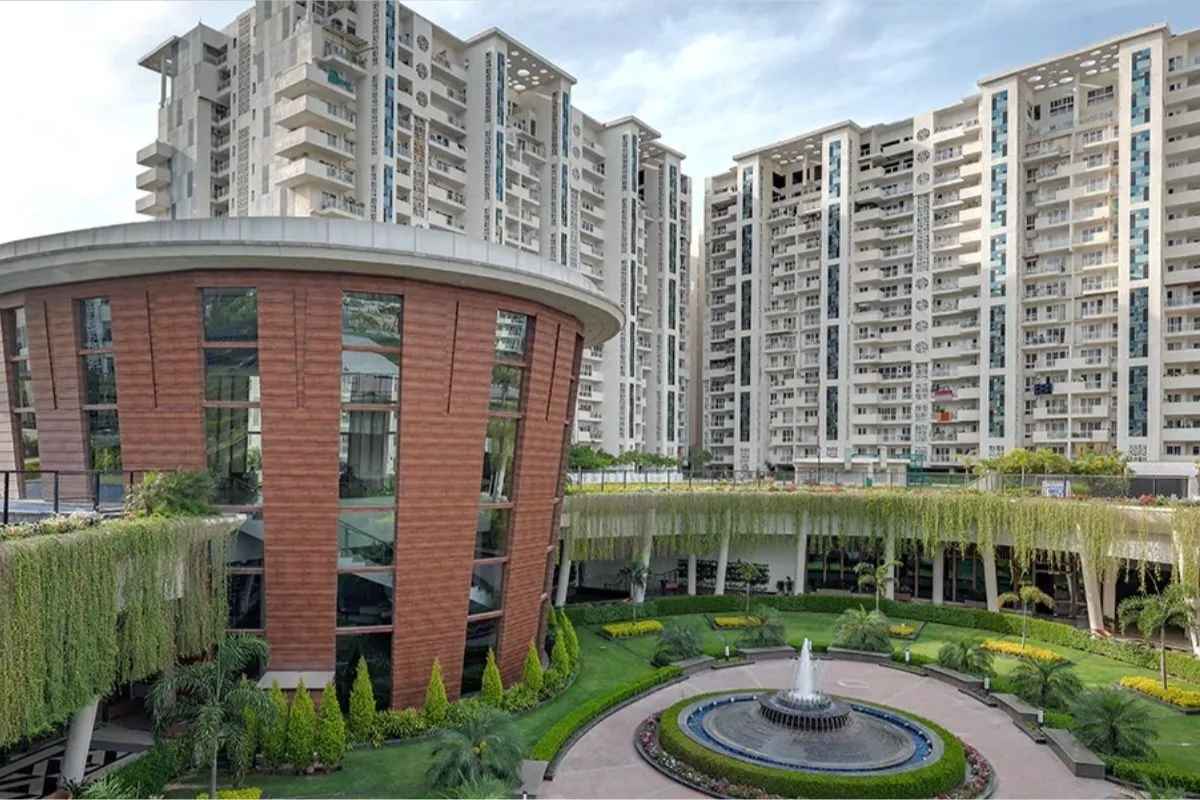
Top Locations Offering the Best Property Rates
Finding the perfect property is about more than just falling in love with a home, it’s about getting the right value for your money. Whether you’re a first-time buyer or a seasoned investor, understanding where to find the best property rates can make a huge difference in your long-term returns.
In this blog, we’ll take you through some of the top locations across India that offer smart real estate deals. These areas combine strong infrastructure, good connectivity, and relatively low property cost, making them ideal for buyers looking for both affordability and future growth.
Mohali – Affordable and Fast-Growing
Located next to Chandigarh, Mohali has emerged as one of the most promising real estate destinations in North India. Areas like Mohali City Centre and Aerocity offer planned development, wide roads, and easy access to IT hubs and the international airport.
- Why invest in Mohali?
- Competitive property rates compared to Chandigarh
- Strong infrastructure and connectivity via Airport Road
- Popular among NRIs, IT professionals, and investors
You can find residential plots, apartments, and commercial properties at a lower property cost with excellent appreciation potential.
Navi Mumbai – Metro Growth with Better Rates
Navi Mumbai has become a go-to destination for homebuyers priced out of Mumbai’s core areas. With the upcoming Navi Mumbai International Airport and ongoing metro projects, demand is rising steadily.
Highlights:
- Well-planned city with lower congestion
- Lower property rates than the Mumbai suburbs
- Strong rental demand in areas like Kharghar, Taloja, and Panvel
For those looking to stay connected to Mumbai while keeping property costs reasonable, Navi Mumbai is a great bet.
Indore – A Smart City with Smart Prices
Ranked as one of India’s cleanest cities, Indore is a part of the government’s Smart Cities Mission and has been gaining real estate traction for its affordability and growing infrastructure.
Why Indore stands out:
- Affordable property rates and low cost of living
- Growing job market in the IT and education sectors
- Planned development and improvement of public transport
It’s an ideal location for buyers looking to enter the market without stretching their budget too far.
Hyderabad – The Best Value Among Metros
While most metro cities have skyrocketing prices, Hyderabad has managed to maintain a healthy balance between demand and affordability. Areas like Gachibowli, Miyapur, and Kompally offer good infrastructure and connectivity.
What makes Hyderabad attractive:
- No-frills development policies and efficient approvals
- Competitive property cost despite high-end infrastructure
- Consistently high livability rankings
Hyderabad is particularly appealing for tech professionals and long-term investors.
Jaipur – Cultural Capital with Real Estate Potential
With rapid urbanisation and government-backed infrastructure projects, Jaipur is quickly becoming a favourite for both residential and commercial buyers.
Reasons to consider Jaipur:
- Expanding city boundaries with upcoming ring roads and metro projects
- Heritage areas coexisting with modern housing options
- Lower property rates than other state capitals
Jaipur offers unique value by combining rich culture with modern convenience at a reasonable property cost.
Kochi – Coastal Charm and Affordable Housing
Known for its port and tourism, Kochi is seeing increasing interest from buyers seeking peaceful living and investment value.
Why Kochi is worth watching:
- Growth in IT parks and logistics hubs
- Pleasant coastal environment and better quality of life
- Reasonable property rates with potential rental income
Kochi blends scenic living with investment opportunity, especially in areas like Kakkanad and Aluva.
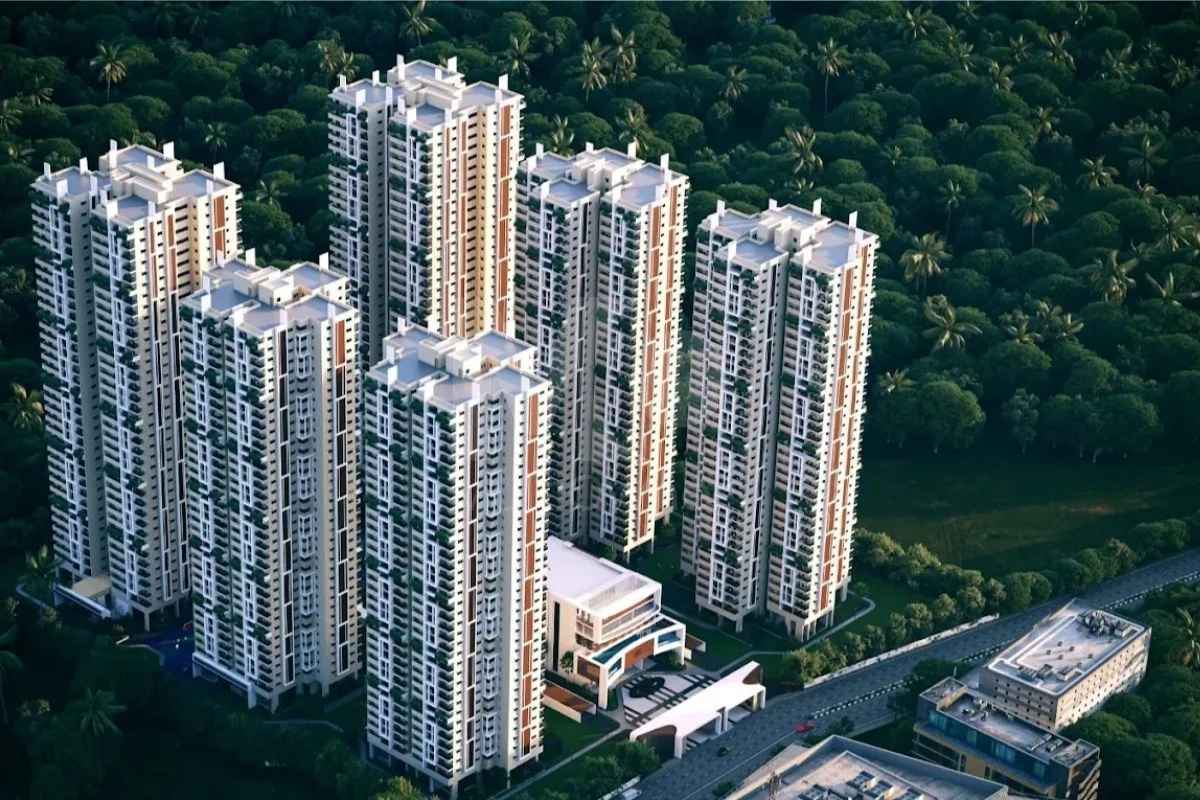
How to Compare and Evaluate Property Rates Effectively
If you’re planning to buy property, whether it’s a home, plot, or commercial space, it’s crucial to know how to compare and evaluate property rates effectively. Many buyers focus only on the price tag, but the real value of a property depends on several hidden and visible factors that together make up the total property cost.
In this blog, we’ll walk you through easy, practical ways to analyse and compare property rates so you can make an informed and confident investment.
Understand What Property Rate Means
Before diving into comparisons, let’s define what property rate actually is. Simply put, property rate is the price per square foot (or square meter) of a piece of real estate. It can include:
- Base cost of the land or built-up space
- Construction quality and materials
- Location and demand in the area
- Nearby infrastructure and amenities
Keep in mind that this rate doesn’t always include other charges that affect the final property cost.
Use Online Portals and Property Tools
One of the easiest ways to compare property rates is by using online real estate platforms. These websites and apps provide updated listings and price trends across different cities and neighbourhoods.
Top tools to try:
- Multiowner.in
- 99acres
- MagicBricks
- Housing.com
- PropTiger
Look for:
- Per sq. ft. rates in your preferred area
- Price trends over the last 6–12 months
- Nearby projects with similar features
These tools help you benchmark properties and get a realistic picture of the ongoing market value.
Break Down the Total Property Cost
While the property rate is a starting point, the actual property cost often includes a variety of additional expenses. Ignoring these can lead to unexpected financial pressure later.
Breakdown of total property cost:
- Base price (rate x built-up area)
- Parking charges
- Preferential location charges (PLC)
- Clubhouse or maintenance deposits
- Stamp duty and registration fees
- GST (on under-construction properties)
Always ask for the all-inclusive price so you can compare offers fairly across different builders or projects.
Evaluate Location and Future Potential
Two properties may have the same rate per sq. ft., but the long-term value can vary drastically depending on the location.
What to look for in a location:
- Proximity to schools, offices, and hospitals
- Upcoming infrastructure (metro lines, expressways)
- Neighbourhood development and safety
- Resale and rental potential
A slightly higher property cost in a location with high appreciation potential can be a better investment than a cheaper property in a low-demand area.
Consult a Local Real Estate Expert
Online research is great, but real insights often come from people who know the area inside out. A reliable real estate agent or property consultant can help you understand:
- Local price trends and future developments
- Actual transaction values (not just listed prices)
- Legal status and approval of the property
- Hidden costs or builder reputation
They can also help negotiate better property rates on your behalf.
Compare Similar Properties Side by Side
When choosing between multiple options, create a side-by-side comparison of properties with similar configurations.
Create a table including:
- Total area (carpet/built-up)
- Property rate per sq. ft.
- Total property cost (all-inclusive)
- Amenities included
- Possession status (ready-to-move or under-construction)
This will help you clearly see which option offers more value for your budget.

Smart Buyer Tips to Unlock the Best Deals
In a competitive real estate market, buying smart isn’t just about getting the lowest property rates, it’s about knowing how to find true value. Whether you’re purchasing your first home or expanding your investment portfolio, understanding how to navigate the market can help you unlock great deals without compromising on quality.
Let’s explore some practical and easy-to-follow tips that will help you make the most of your budget and reduce the total property cost over time.
Start with Thorough Market Research
Before you even start visiting properties, invest time in understanding the market. Research current property rates in your preferred locations and compare them with nearby areas.
Here’s what to do:
- Use online portals like 99acres, MagicBricks, or Housing.com to track prices.
- Check recent transaction values through real estate forums or brokers.
- Read local news for upcoming infrastructure projects that may impact pricing.
The better your market knowledge, the stronger your negotiating power.
Don’t Rush, Timing Matters
One of the smartest moves a buyer can make is purchasing at the right time. While you can’t always predict the market, you can take advantage of seasonal trends and real estate cycles.
Best times to buy:
- During festive seasons, when builders offer special discounts or waived charges
- In a buyer’s market, when supply is high and demand is low.
- Pre-launch or soft launch stages for new projects (you can lock in lower property rates)
Being patient and strategic with timing can significantly reduce your overall property cost.
Explore Upcoming or Developing Areas
While prime locations may seem appealing, they also come with high price tags. Consider nearby developing areas with good future potential. These locations often offer lower property rates now, but are likely to appreciate with the upcoming infrastructure.
Benefits of choosing emerging areas:
- Lower entry-level property cost
- Higher appreciation potential over the next few years
- Easier availability of inventory and flexible payment plans
Make sure the area has connectivity, basic amenities, and growth prospects.
Always Compare Total Property Cost
Many buyers focus solely on the per square foot rate, but the actual property cost includes a range of additional expenses.
Breakdown of common charges:
- Parking fees
- Floor rise charges
- GST (for under-construction properties)
- Stamp duty and registration
- Clubhouse or maintenance fees
Request the all-inclusive price and compare final numbers, not just the base property rates.
Negotiate Smartly with Builders or Sellers
Most buyers don’t realise how much room there is to negotiate. Builders, especially in under-construction or slow-moving projects, often have scope to offer better deals.
Tips for better negotiations:
- Ask for discounts on floor rise or PLC (Preferential Location Charges)
- Request waiver of stamp duty or GST
- Push for freebies like modular kitchens, wardrobes, or ACs
- If you’re a serious buyer, mention it, it gives you leverage.
Even a small reduction in rate or extra inclusion can lower your effective property cost significantly.
Consider Under-Construction vs. Ready-to-Move
While ready-to-move homes offer instant possession, under-construction properties typically come with lower property rates and more flexible payment plans.
Pros of under-construction properties:
- Lower price per sq. ft.
- Customisation options during early phases
- Developer schemes like no-EMI till possession
However, always check builder credibility, RERA approval, and delivery history before buying.

Conclusion
Finding the best property deals is all about being informed, comparing options wisely, and understanding the full picture beyond just the advertised property rates. By researching the market, exploring emerging locations, negotiating smartly, and calculating the complete property cost, you can make confident and cost-effective real estate decisions. Whether you’re buying your first home or investing for the future, these smart buyer tips can help you unlock maximum value.
Need expert help to find the right property? Contact us
Frequently Asked Questions
Q1: How can I find the best property rates?
Ans. Research online portals, compare similar listings, and consult local experts for accurate property rates.
Q2: What is included in the total property cost?
Ans. Property cost includes base price, stamp duty, registration, GST, parking, maintenance, and other additional charges.
Q3: Are under-construction properties cheaper than ready-to-move ones?
Ans. Yes, under-construction properties usually offer lower property rates and flexible payment options, but carry delivery risk.
Q4: Can I negotiate property rates with builders?
Ans. Absolutely. Buyers can negotiate on price, add amenities, or ask for waivers on charges like PLC or GST.
Stay updated with the latest happenings, offers, and behind-the-scenes action!
Follow us on Instagram and Facebook for exclusive content, community highlights, and more.
Don’t miss out – join our growing online family today!
