

Proven Ways to Grow Residential or Commercial Property Value
Introduction
A few smart decisions today can dramatically boost your property’s value tomorrow. Whether you own a residential or commercial property, increasing its worth is not just about market timing but about having the right strategy in place. From simple upgrades to thoughtful long-term planning, there are proven ways to strengthen performance and attract quality buyers or tenants. In this blog, you will discover practical and effective steps to unlock hidden potential and maximize returns. If you want your residential or commercial property to stand out and grow in value, keep reading.
Understand What Drives Residential or Commercial Property Value
Growing the value of a residential or commercial property starts with understanding what truly influences it. Many owners focus only on renovations, but real estate value is shaped by several interconnected factors. When you know what drives appreciation, you can make smarter decisions that lead to stronger long-term returns and steady property appreciation.
Let’s break down the most important elements that impact real estate value and overall investment property performance.
Location and Market Trends
Location remains one of the most powerful drivers of residential or commercial property value. A well-located property in a growing area naturally attracts more buyers and tenants, increasing demand and pricing potential.
Key location factors include:
- Proximity to schools, hospitals, and public transport
- Access to shopping centers and business districts
- Low crime rates and strong community appeal
- Future infrastructure or development plans
Staying updated on real estate market trends is equally important. When job growth, population increases, or new commercial hubs emerge, property demand often rises. Monitoring these trends helps you time upgrades, refinancing, or even selling decisions more effectively.
A strong location combined with positive market trends creates a powerful foundation for steady property appreciation.
Property Condition and Structural Integrity
The physical condition of your residential or commercial property directly affects its market perception and value. Buyers and tenants are willing to pay more for properties that are well-maintained and move-in ready.
Focus on:
- Regular inspections and preventative maintenance
- Roof, plumbing, and electrical system checks
- Updated safety features and compliance standards
- Clean, modern interiors
Neglecting minor issues can lead to expensive repairs later, which reduces your overall investment property performance. On the other hand, consistent maintenance protects your asset and supports long-term real estate value growth.
For commercial property owners, structural integrity also impacts tenant retention. Businesses prefer spaces that are safe, functional, and professional in appearance.
Supply and Demand in Residential or Commercial Property Markets
Supply and demand play a major role in determining residential or commercial property pricing. When there is oversupply, prices may stabilize or decline.
Understanding your local market helps you position your property effectively. Ask yourself:
- Is the area experiencing population growth
- Are new developments increasing competition
- What types of properties are currently in the highest demand?
For residential property, family-friendly neighborhoods and lifestyle amenities often attract strong interest. For commercial property, proximity to business hubs and foot traffic can significantly boost rental income potential.
Keeping an eye on these market dynamics helps you make informed decisions that strengthen property appreciation.
Financial Performance and Income Potential
Another critical factor that drives residential or commercial property value is its income potential. Properties that generate consistent and growing rental income are typically valued higher, especially in the commercial sector.
Ways to improve financial performance include:
- Setting competitive yet profitable rental rates
- Reducing vacancy through strong tenant relationships
- Upgrading amenities to justify premium pricing
- Improving operational efficiency to lower expenses
When expenses are controlled and rental income increases, the overall investment property performance improves. This directly influences how lenders, buyers, and investors assess the property’s worth.
For commercial property owners, long-term lease agreements with stable tenants can significantly strengthen valuation.
Economic and Community Growth
Broader economic factors also shape residential or commercial property value. Economic growth, employment rates, and local business expansion all contribute to stronger demand.
Community improvements such as:
- New transport links
- Retail developments
- School upgrades
- Urban revitalization projects
- Can dramatically increase real estate value over time.
Being aware of zoning changes or upcoming infrastructure projects allows you to anticipate future growth rather than react to it. Smart property owners align their strategies with long-term community development plans.
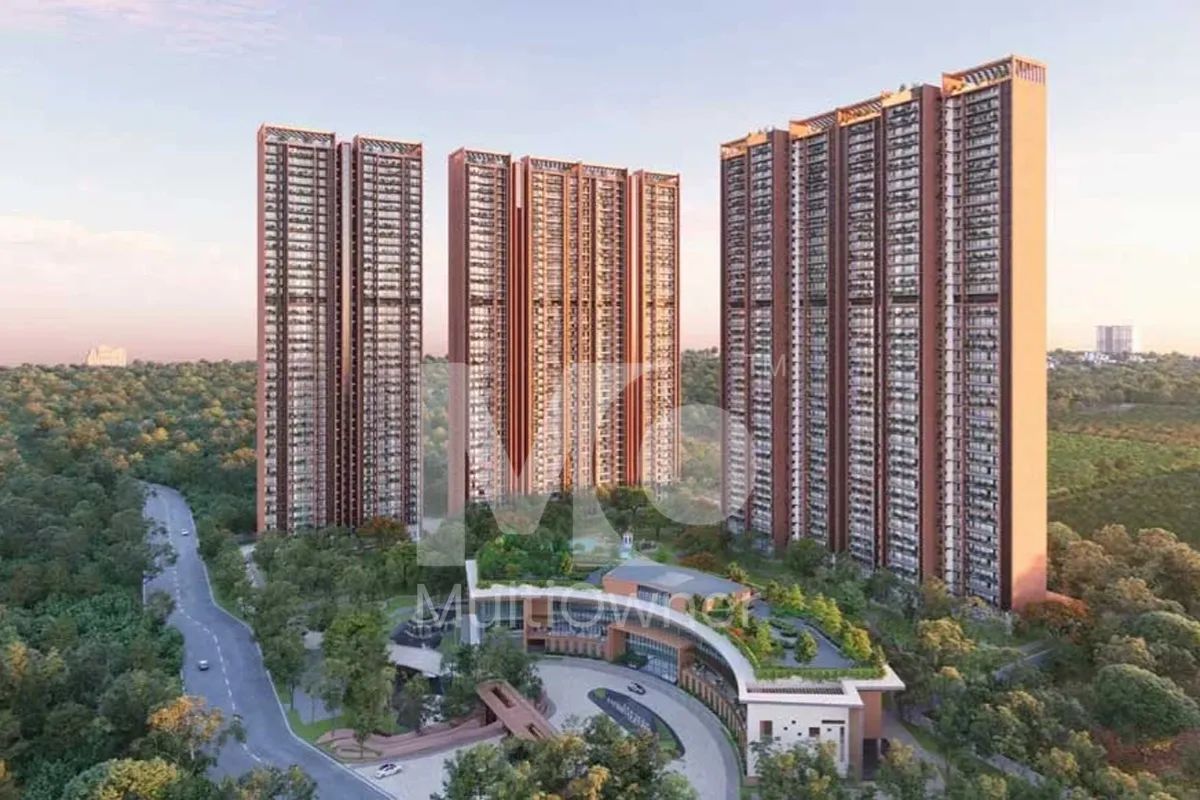
Smart Renovations That Increase Residential or Commercial Property Value
If you want to boost the value of your residential or commercial property, smart renovations can make a powerful difference. The keyword here is smart. Not every upgrade delivers strong returns, and overspending can hurt your overall investment property performance. Strategic improvements, however, can significantly increase real estate value while attracting quality buyers or tenants.
Let’s explore renovation ideas that support long-term property appreciation and stronger returns.
High ROI Improvements for Residential Property
When upgrading a residential or commercial property, it’s important to focus on renovations that offer a high return on investment. For residential spaces, certain areas consistently deliver strong results.
Kitchen upgrades
Simple improvements like modern cabinets, updated countertops, and energy-efficient appliances can instantly improve appeal. Even small changes can raise real estate value.
Bathroom improvements
Updated fixtures, better lighting, and fresh tiling can transform outdated bathrooms. Clean, modern bathrooms make a residential property feel more valuable and move-in ready.
Energy-efficient features
Installing double-glazed windows, smart thermostats, or improved insulation reduces utility costs. Buyers appreciate energy savings, which supports long-term property appreciation.
Curb appeal enhancements
First impressions matter. Landscaping, a fresh coat of paint, and updated entryways can significantly improve the perceived value of your residential or commercial property.
These upgrades not only increase visual appeal but also strengthen overall investment property performance.
Value-Boosting Upgrades for Commercial Property
Commercial spaces require a slightly different renovation strategy. Businesses prioritize functionality, flexibility, and professional presentation.
Modern layouts and flexible workspaces
Open layouts and adaptable designs allow businesses to customize the space. Flexible environments increase demand and improve rental income potential.
Technology integration
High-speed internet infrastructure, smart security systems, and energy-efficient lighting are essential in today’s commercial property market. These upgrades enhance usability and increase real estate value.
Accessibility and compliance improvements
Ensuring the building meets accessibility standards and safety regulations protects your asset. It also attracts a broader range of tenants and reduces legal risks, supporting stronger investment property performance.
For any residential or commercial property, renovations should align with tenant or buyer expectations. When upgrades meet market demand, property appreciation becomes more achievable.
Budget Planning for Maximum Property Appreciation
Renovating without a clear budget can quickly reduce your returns. Careful planning ensures that every dollar invested contributes to higher real estate value.
Here are practical budgeting tips:
- Focus on improvements with proven high ROI
- Compare renovation costs against the potential rental income increase.
- Avoid over-improving beyond neighborhood standards.
- Set aside funds for unexpected expenses.
Overcapitalizing is a common mistake. For example, installing luxury finishes in an average market may not significantly increase residential or commercial property value. Instead, aim for upgrades that match the local market and buyer expectations.
Tracking expenses and projected gains helps you evaluate how renovations impact overall investment property performance.
Cosmetic vs Structural Improvements
Both cosmetic and structural upgrades play a role in property appreciation, but they serve different purposes.
Cosmetic improvements such as painting, flooring updates, and lighting fixtures enhance visual appeal. These are often cost-effective and deliver quick results.
Structural improvements like roof replacement, plumbing upgrades, or foundation repairs protect the long-term stability of your residential or commercial property. While less visible, these upgrades prevent costly future issues and maintain strong real estate value.
Balancing both types of renovations ensures your property remains attractive and structurally sound.
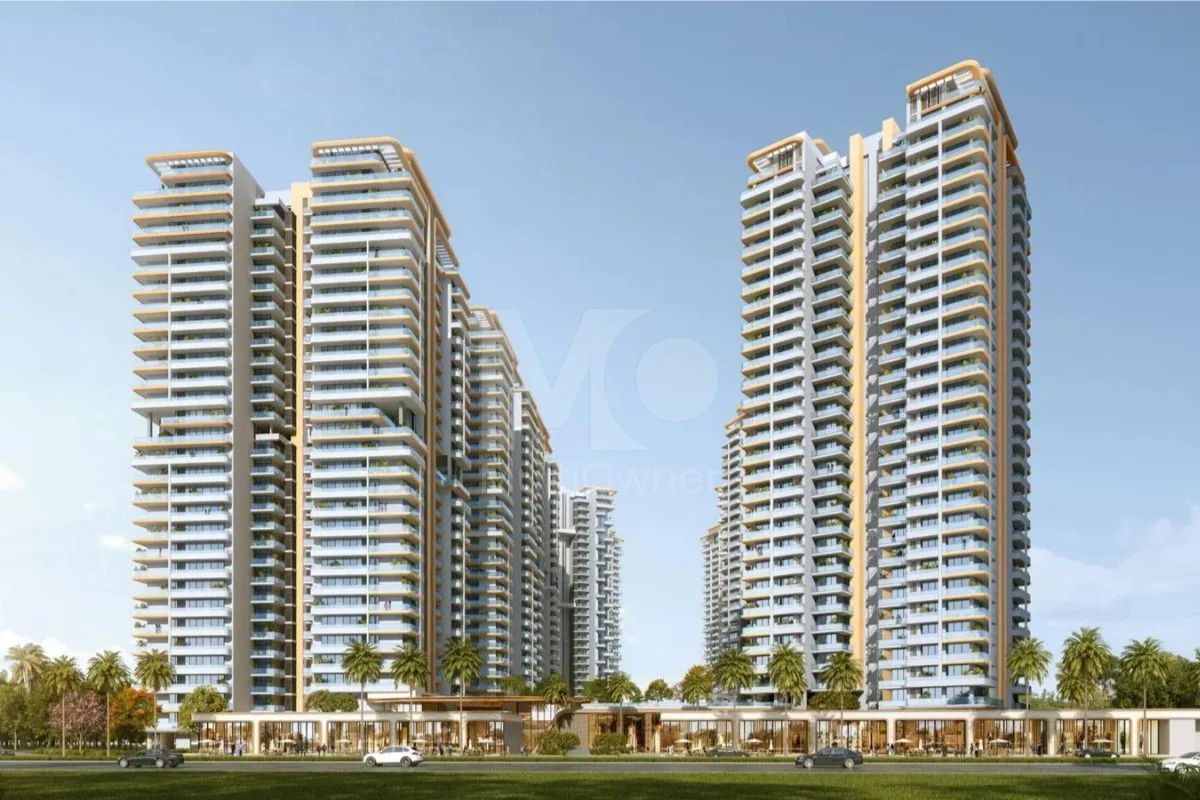
Improve Financial Performance of Your Residential or Commercial Property
Boosting the financial performance of your residential or commercial property goes beyond increasing its market price. True success comes from steady cash flow, controlled expenses, and long-term property appreciation. When your property generates reliable income and operates efficiently, its real estate value naturally grows.
Whether you own a rental home, office building, or retail space, focusing on financial performance helps strengthen overall investment property performance and maximize returns.
Increasing Rental Income Strategically
Rental income is the backbone of any residential or commercial property investment. Even small adjustments can significantly improve cash flow without pushing tenants away.
Here are smart ways to increase rental income:
Review market rates regularly
If demand is high and your rates are below market value, a reasonable increase can improve returns while staying competitive.
Add value-driven amenities
Upgrades such as secure parking, high-speed internet, storage units, or energy-efficient appliances justify higher rent and improve tenant satisfaction.
Offer flexible lease terms
For commercial property, long-term leases provide income stability. For residential property, offering furnished options or short-term flexibility may attract premium tenants.
When rental income grows steadily, it directly enhances investment property performance and strengthens overall real estate value.
Reducing Operational Costs
Improving income is important, but controlling expenses is equally critical. Lower operating costs mean higher net returns from your residential or commercial property.
Consider these cost-saving strategies:
- Install energy-efficient lighting and HVAC systems.
- Schedule regular preventative maintenance.
- Negotiate service contracts with vendors.
- Monitor utility usage and eliminate waste.
Preventative maintenance deserves special attention. Small repairs handled early prevent expensive structural issues later. This not only protects property appreciation but also maintains tenant satisfaction.
Energy-efficient upgrades may require upfront investment, but they often reduce monthly expenses and increase long-term real estate value. Tenants also appreciate lower utility costs, which improves retention rates.
Strengthening Tenant Retention
High vacancy rates can quickly hurt the financial performance of a residential or commercial property. Finding new tenants costs time and money, so keeping existing tenants happy is a smart strategy.
Ways to improve tenant retention include:
- Respond quickly to maintenance requests.
- Maintain clear and professional communication.
- Keep common areas clean and well-maintained
- Offer fair and transparent lease terms.
Satisfied tenants are more likely to renew leases, reducing turnover costs and stabilizing rental income. For commercial property, stable long-term tenants significantly enhance investment property performance and investor confidence.
Leveraging Professional Property Management
Managing a residential or commercial property can be time-consuming. Professional property managers can help optimize operations and improve financial outcomes.
They assist with:
- Setting competitive rental rates
- Screening reliable tenants
- Handling maintenance coordination
- Ensuring legal compliance
- Managing rent collection efficiently
While management services involve fees, they often lead to stronger occupancy rates and smoother operations. Over time, this contributes to consistent property appreciation and improved real estate value.
For owners with multiple units or limited time, professional management can transform overall investment property performance.
Refinancing and Financial Planning
Financial strategy also plays a key role in improving returns. Refinancing at a lower interest rate can reduce monthly mortgage payments and free up cash flow.
Additionally:
- Reinvest profits into value-adding upgrades.
- Build a reserve fund for unexpected expenses.
- Analyze annual financial reports to identify inefficiencies.
A proactive financial plan ensures that your residential or commercial property continues to perform well even during market fluctuations.
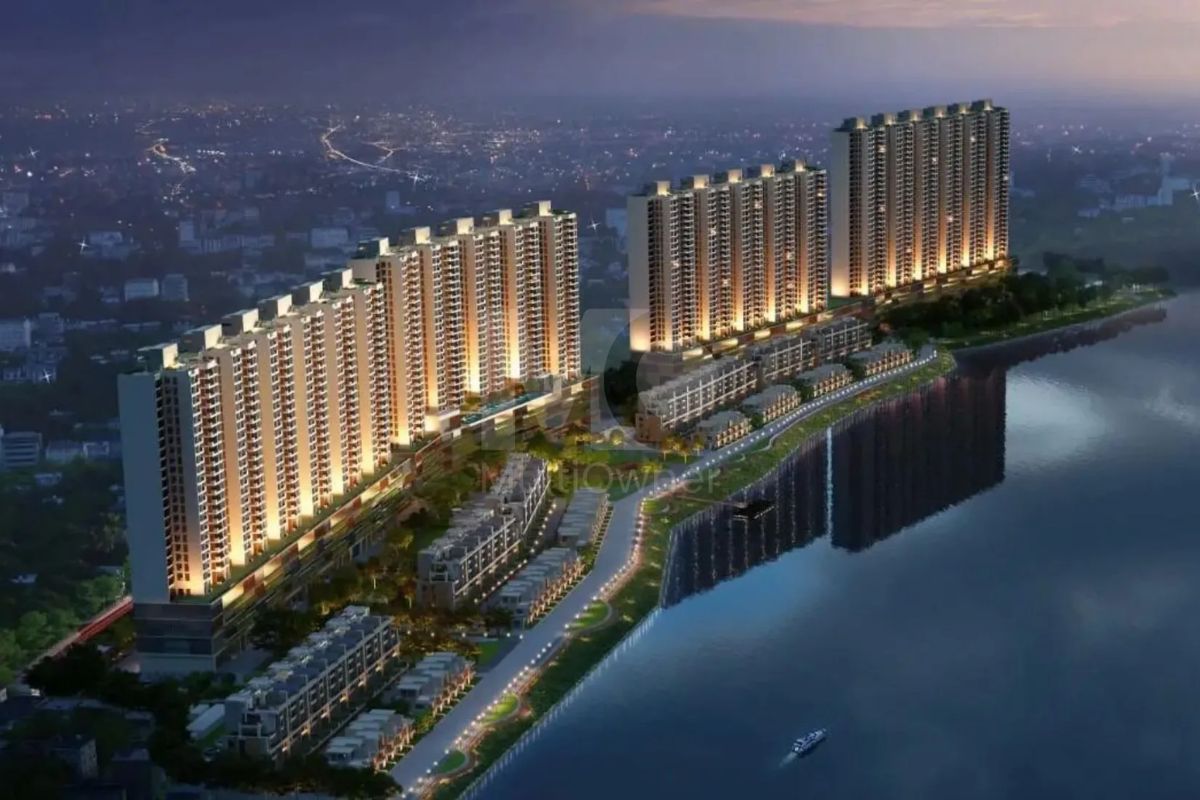
Leverage Market Timing to Grow Residential or Commercial Property Value
Timing can make a remarkable difference in the success of any residential or commercial property investment. While renovations and financial management are essential, understanding when to buy, sell, refinance, or hold can significantly influence real estate value. Smart market timing allows you to maximize property appreciation and strengthen overall investment property performance.
You do not need to predict the market perfectly. Instead, focus on recognizing patterns, monitoring trends, and making informed decisions based on reliable data.
Let’s explore how timing plays a key role in growing residential or commercial property value.
Understand Real Estate Market Cycles
The real estate market moves in cycles. These cycles typically include expansion, peak, contraction, and recovery phases. Recognizing where your local market stands can help you make smarter decisions.
Here is a simplified breakdown:
- Expansion: Rising demand, increasing property prices, and high rental income
- Peak: High prices, slowing growth
- Contraction: Decreasing demand, price adjustments
- Recovery: Stabilizing prices and renewed growth
Buying during recovery or early expansion can position your residential or commercial property for strong property appreciation. Selling near a market peak may help you secure higher returns and protect your investment property performance.
Staying informed about local economic conditions supports better timing decisions and long-term real estate value growth.
When to Refinance or Sell
Refinancing and selling decisions should align with market conditions and your financial goals.
Refinancing at the right time
If interest rates drop, refinancing can reduce monthly mortgage payments and improve cash flow. Better cash flow strengthens the financial performance of your residential or commercial property and increases overall profitability.
Selling at the right time
Selling during high-demand periods often leads to better pricing. Look for signs such as:
- Low property inventory in your area
- Rising buyer interest
- Increased rental demand
- Strong local job growth
Timing your sale strategically can significantly boost real estate value realization and enhance total investment property performance.
Capitalize on Economic Growth and Development
Economic growth directly influences residential or commercial property demand. When businesses expand and employment rises, housing and commercial space demand typically increase as well.
Keep an eye on:
- New infrastructure projects
- Business park developments
- Transportation upgrades
- Government-backed urban renewal programs
For example, a new transit line can improve accessibility and increase property appreciation in surrounding neighborhoods. Similarly, commercial property near expanding business districts often experiences stronger rental income growth.
Monitoring these developments allows you to position your residential or commercial property ahead of demand rather than reacting after prices rise.
Analyze Local Supply and Demand Trends
National trends matter, but local conditions often have a greater impact on real estate value. Supply and demand in your specific area determine pricing power.
Ask yourself:
- Are new developments increasing competition
- Is population growth driving higher housing demand?
- Are businesses moving into the area?
- Is the vacancy rate rising or declining
If supply is limited and demand is growing, property appreciation is more likely. This creates an opportunity to increase rental income or consider a strategic sale.
Understanding these local indicators strengthens your ability to optimize investment property performance.
Plan for Long-Term Market Positioning
Successful property owners focus on long-term positioning rather than short-term speculation. Holding a residential or commercial property through multiple market cycles can often deliver steady real estate value growth.
Long-term strategies include:
- Maintaining the property in excellent condition
- Adjusting rental rates gradually based on market demand
- Reinvesting profits into value-adding improvements
- Staying informed about policy and zoning changes
Patience combined with smart timing decisions supports sustainable property appreciation and reduces unnecessary financial risk.
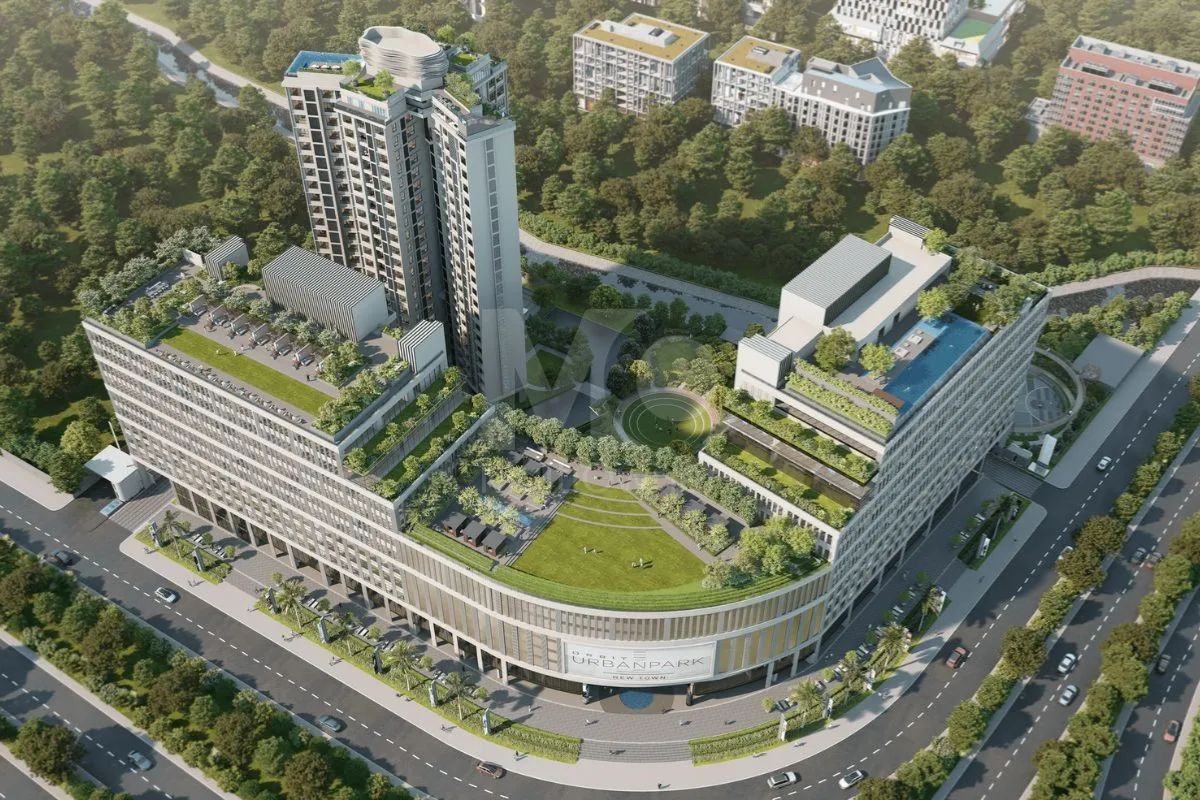
Enhance Curb Appeal and Brand Image for Residential or Commercial Property
First impressions can instantly influence how people perceive your residential or commercial property. Before anyone steps inside, they form an opinion based on what they see from the outside. Strong curb appeal not only attracts attention but also increases real estate value and supports long-term property appreciation.
For commercial spaces, appearance also shapes brand image. A well-presented property signals professionalism, reliability, and quality. For residential properties, it creates an emotional appeal that motivates buyers and tenants to take the next step.
Let’s explore how improving curb appeal and brand perception can strengthen overall investment property performance.
Exterior Improvements That Attract Buyers or Tenants
The exterior of your residential or commercial property sets the tone. Simple upgrades can dramatically improve visual impact without requiring a massive budget.
Here are effective improvements to consider:
Fresh paint and façade updates
A clean, modern exterior instantly makes a property look newer and more valuable. Neutral, contemporary colors often appeal to a wider audience and positively influence real estate value.
Landscaping and greenery
Well-maintained lawns, trimmed hedges, and seasonal plants create a welcoming atmosphere. Even small landscaping enhancements can contribute to steady property appreciation.
Lighting upgrades
Outdoor lighting improves safety and aesthetics. Pathway lights, entry lighting, and well-lit signage make your residential or commercial property more inviting, especially in the evening.
Clean and maintain entryways
Power washing driveways, repairing cracked pathways, and updating doors create a polished look. These small details signal that the property is well cared for.
When the exterior looks attractive and professional, potential buyers or tenants are more likely to view the property as valuable, strengthening investment property performance.
Creating a Strong Brand Image for Commercial Property
For commercial property owners, curb appeal extends beyond landscaping. The building itself represents the businesses operating inside it.
To enhance brand perception:
- Maintain clear, modern signage.
- Keep common areas spotless and organized.
- Ensure consistent exterior design and lighting.
- Use professional property photography for listings.
A visually appealing commercial property attracts higher-quality tenants who value presentation. Strong brand image can also justify higher rental income, which directly boosts real estate value and supports long-term property appreciation.
Tenants are more likely to renew leases in buildings that reflect professionalism and care, further strengthening investment property performance.
Interior Presentation and Common Areas
Curb appeal draws attention, but interior presentation reinforces it. Clean, well-designed common areas improve both residential and commercial experiences.
Focus on:
- Fresh paint and updated flooring
- Clean, well-lit hallways
- Modern fixtures in shared spaces
- Comfortable waiting or lounge areas for commercial buildings
For residential property, staging vacant units with simple furnishings can help buyers visualize living there. For commercial property, organized reception areas create confidence in the space’s functionality.
An inviting interior complements exterior improvements and contributes to sustained real estate value growth.
Leveraging Online Presence and Marketing
In today’s digital world, curb appeal extends online. Most buyers and tenants first encounter a residential or commercial property through online listings.
To enhance digital perception:
- Use high-quality professional photos.
- Highlight recent upgrades and improvements.
- Showcase energy-efficient features
- Encourage positive tenant reviews.
Strong online presentation reinforces physical curb appeal. When both align, your property stands out in competitive markets and attracts serious inquiries.
This increased interest can shorten vacancy periods, raise rental income potential, and improve overall investment property performance.
Ongoing Maintenance for Long-Term Property Appreciation
Curb appeal is not a one-time project. Consistent upkeep protects your investment and maintains strong real estate value.
Schedule regular tasks such as:
- Seasonal landscaping maintenance
- Exterior cleaning and inspections
- Prompt repair of visible damage
- Updating outdated design elements when necessary
Routine care signals reliability and protects long-term property appreciation. It also prevents small issues from turning into costly repairs.
Conclusion
Growing the value of your residential or commercial property requires a balanced approach that combines smart renovations, strong financial management, market awareness, and eye-catching curb appeal. When you understand what drives real estate value and take strategic action, you create steady property appreciation and stronger investment property performance over time. Small, consistent improvements can lead to significant long-term returns. By staying proactive and informed, you position your property for lasting success in any market condition. If you are ready to unlock the full potential of your residential or commercial property, contact us today to get started.
Frequently Asked Questions
Q1. How can I increase residential or commercial property value quickly?
Ans: Focus on high ROI renovations, improve curb appeal, and adjust rental rates based on market demand.
Q2. Do renovations always improve real estate value?
Ans: Not always. Smart, market-aligned upgrades deliver better property appreciation than over-improving.
Q3. How does rental income affect investment property performance?
Ans: Higher and stable rental income strengthens cash flow and boosts overall property value.
Q4. Why is market timing important?
Ans: Buying, refinancing, or selling at the right time maximizes returns.
Stay updated with the latest happenings, offers, and behind-the-scenes action!
Follow us on Instagram and Facebook for exclusive content, community highlights, and more.
